


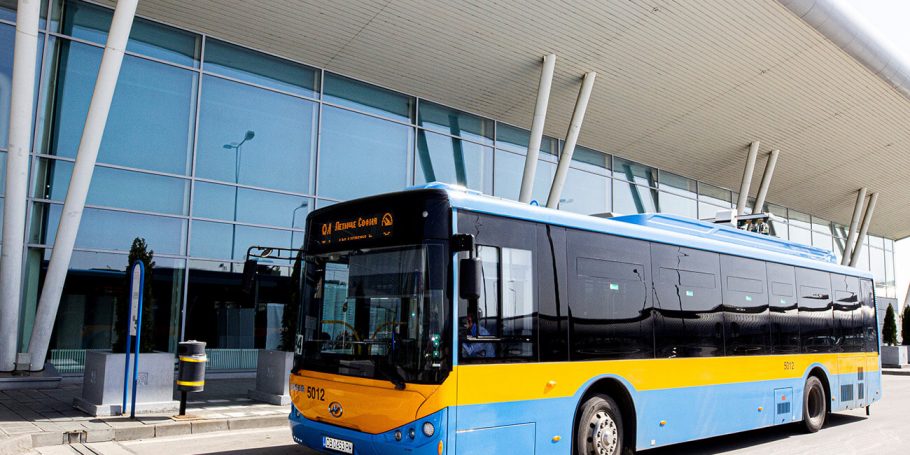
The UK should have most electric buses in Europe by 2024, their number growing some 180 percent from 1000 to 2800, states global independent advisory firm Accuracy. Poland currently has Europe’s second-largest zero emission (ZE) bus fleet with 800 vehicles. The Netherlands and Italy follow in third and fourth place with 600 each. Germany comes…
Read Article
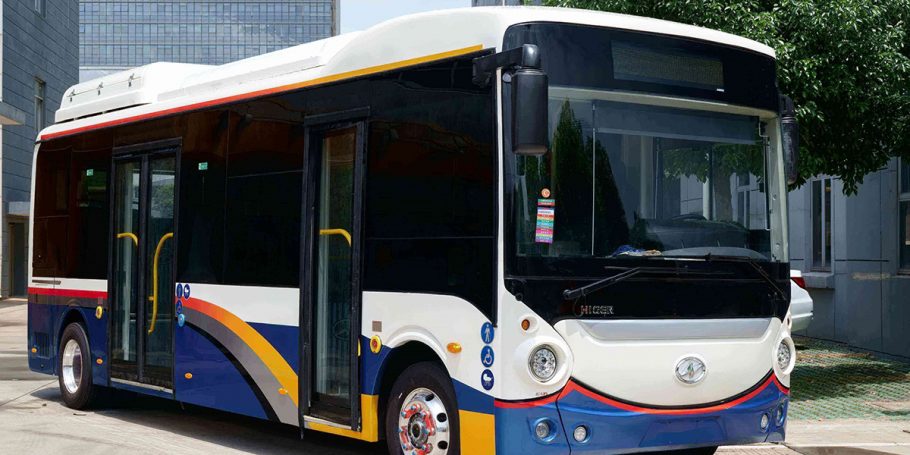
The Global Electric Bus Market Report 2021 expects electric buses’ market share to grow significantly by 2030. Battery buses will lead fuel cell ones. Lower overall ownership cost compared to diesel buses, and the push to develop charging infrastructure, will turn electric buses into a profitable option between 2024 and 2026. The European Union Clean…
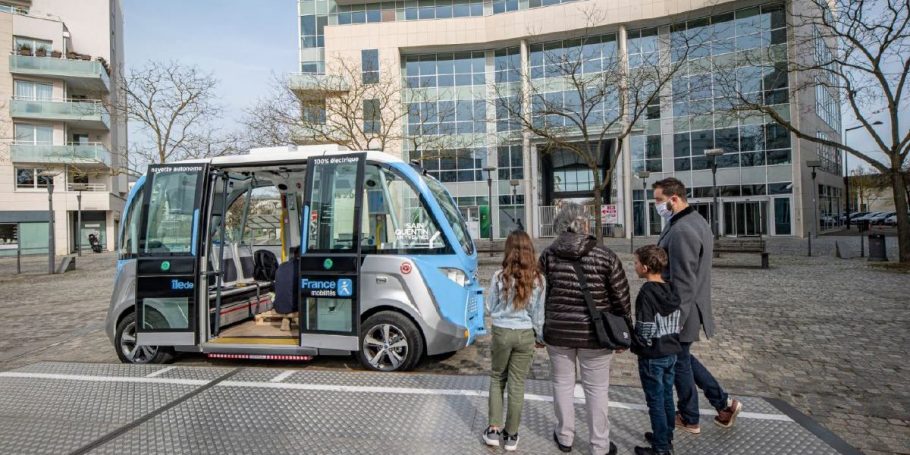
On 31 March French public transport operator Keolis launched an autonomous electric shuttle route serving the Saint-Quentin-en-Yvelines-Montigny-le-Bretonneux suburban rail station and local business parks. With €2.4 million of funding from Île-de-France Mobilités, the service is free for passengers. It operates 7.30am to 8pm Monday to Friday. Keolis was chosen because of its commitment to quality of…
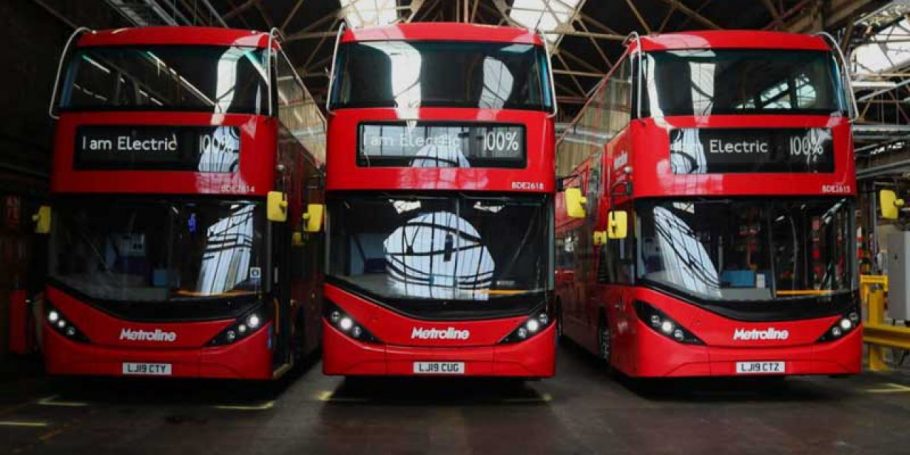
Zero Emission Buses Regional Area scheme has been launched in the UK, with up to £120 million (140 million euros) funding to help local transport authorities introduce zero-emission buses. It is set to allow local transport authorities to bid for funding to purchase zero-emission buses, that reduce the carbon emissions across the country. The funding will deliver up…
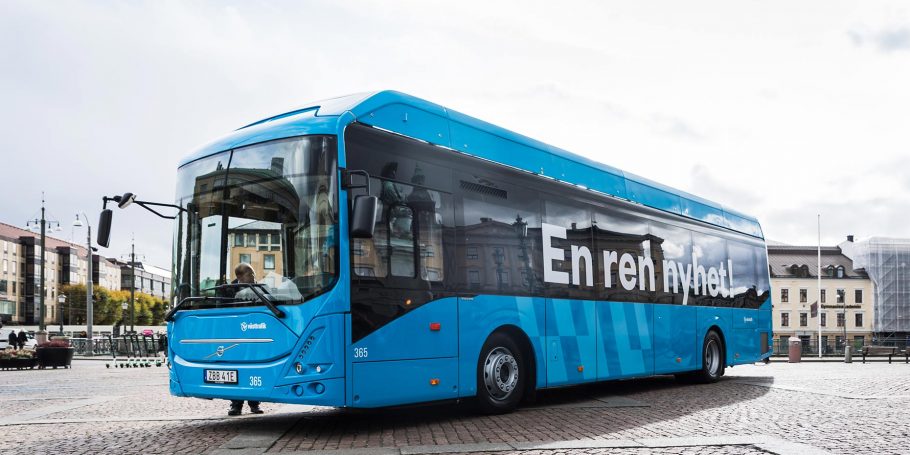
The share of electric buses registered in Europe rose to 6.1 percent as that of diesels dropped some 10 percentage points to 72.9 percent since 2019, reveals ACEA. ACEA figure cover all new medium and heavy buses (over 3.5 tonnes) in the European Union. The organisation puts urban buses (where e-buses are more numerous) together…